Se habla español

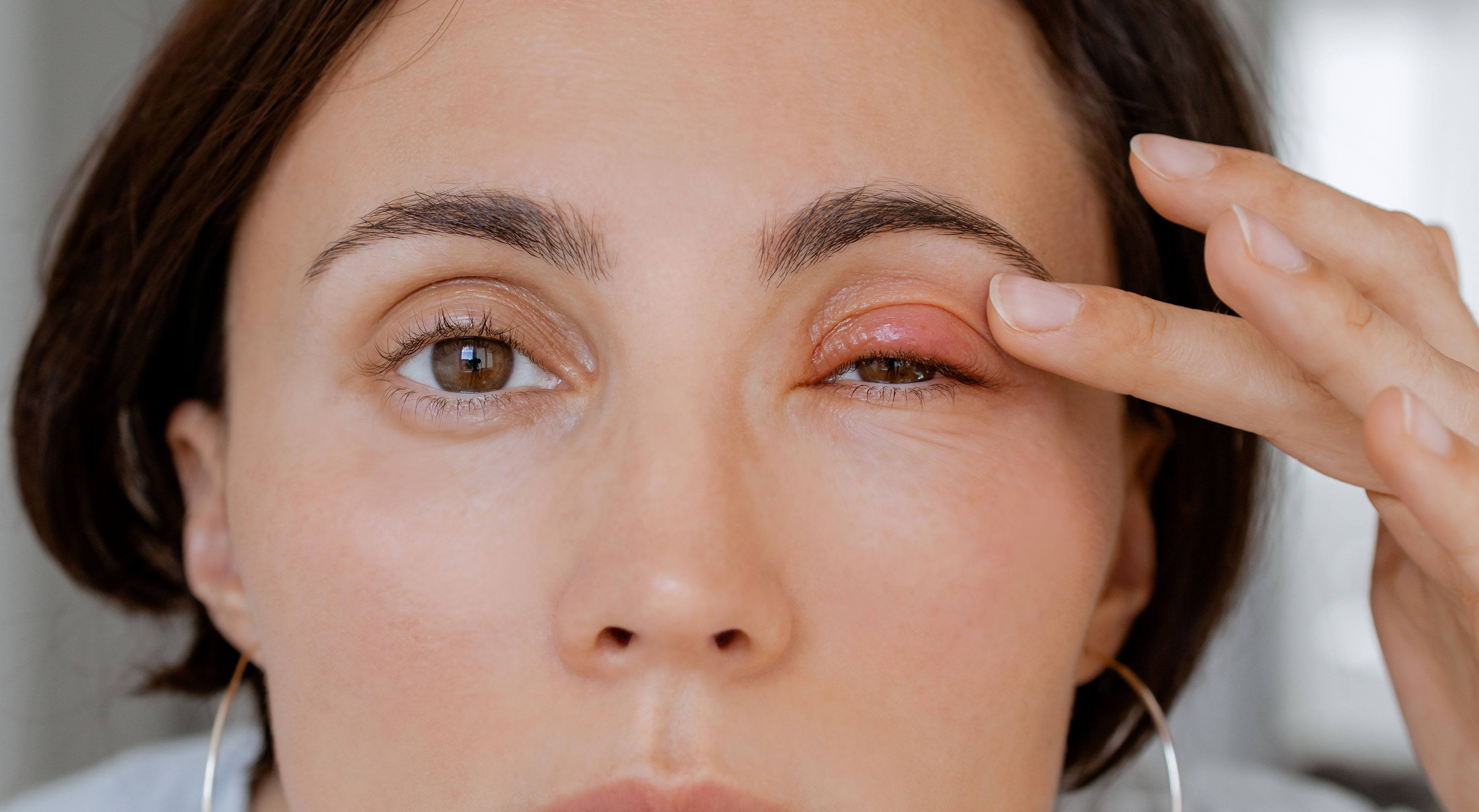
A stye (hordeolum) is an acute, localized infection or inflammation of an eyelid gland, presenting as a tender, red bump at the eyelid margin or under the skin. It often resembles a painful pimple near the lashes and can affect either the upper or lower lid. Most styes are caused by common skin bacteria and are self-limited with proper care.
Although alarming while active, most styes resolve without invasive intervention. The key to effective management is early, consistent care aimed at encouraging drainage and reducing inflammation while preventing spread to adjacent glands.
Our approach is conservative and evidence-based: we prioritize safe at-home measures initially and escalate to medical or in-office treatment only when necessary to restore comfort and prevent complications.
Warm compresses applied gently to the closed eyelid for 10–15 minutes, three to five times daily, are the cornerstone of stye care. The warmth softens clogged gland contents, encourages natural drainage, and eases pain. Maintaining lid hygiene with mild, non-irritating cleansers can help prevent additional blockages and reduce bacterial load on the lid margin.
Avoiding eye makeup and contact lens wear until the stye resolves reduces irritation and the risk of spreading infection. Over-the-counter pain relievers can be used for temporary discomfort, but topical antibiotics are typically reserved for cases that show purulent discharge or do not improve with compresses alone. If there is widespread eyelid swelling, fever, or rapidly worsening redness, prompt clinical assessment is important.
Patience and consistent compresses usually bring improvement within a few days. If symptoms persist or a nodule becomes firm and painless, the lesion may be evolving into a chalazion, which requires a different treatment approach.
If a stye fails to respond to conservative measures, or if it causes significant disruption to vision or eyelid function, your clinician may prescribe topical antibiotics, sometimes combined with a short course of anti-inflammatory medication. In selected cases where infection persists or a chalazion develops, an in-office incision and drainage or steroid injection can be offered to accelerate resolution.
These procedures are minor and performed with appropriate anesthesia to maximize comfort. Your provider will explain indications, what to expect during the procedure, and necessary aftercare. Follow-up ensures that healing is progressing and that the eyelid margin returns to a healthy state.
With timely care and proper eyelid hygiene, most patients recover fully without long-term consequences. Education about lid care and risk reduction helps minimize recurrence and maintain ocular surface health.
Summary: Pterygia and styes are common but distinct conditions of the ocular surface and eyelids. Pterygia are chronic overgrowths influenced by UV and environmental irritants and are managed with prevention, medical therapy, or surgical excision when vision is at risk. Styes are acute gland infections typically treated with warm compresses and lid hygiene, with medical or minor surgical interventions reserved for persistent cases. If you have concerns about a growth on the white of your eye or a painful bump on your eyelid, contact us for more information and to discuss an individualized plan of care.
A stye, or hordeolum, is an acute infection of an eyelid gland that presents as a red, tender, swollen lump near the eyelash line or within the eyelid. It often resembles a pimple and is most commonly caused by bacterial infection, particularly Staphylococcus species. Styes are painful and tend to develop quickly, accompanied by local redness and sometimes tearing.
A chalazion begins as obstruction and chronic inflammation of a meibomian gland and usually forms a firm, non-tender nodule within the eyelid over weeks. Unlike an infected stye, a chalazion is often painless once established and represents a granulomatous reaction rather than an acute bacterial infection. Treatment approaches for the two conditions overlap but differ when persistent or vision-threatening lesions arise.
Most styes respond well to conservative care including warm compresses applied for 10 to 15 minutes, three to five times daily, gentle lid hygiene and avoidance of eye makeup or contact lenses during healing. Warm compresses help soften the obstructed gland and promote drainage while lid scrubs reduce bacterial load on the lid margin. Over-the-counter lubricating drops can relieve surface irritation during recovery.
Seek medical attention if a stye enlarges, fails to improve after several days of consistent warm compresses, is extremely painful, restricts vision or is accompanied by fever or spreading redness of the eyelid. In those situations a clinician may prescribe topical or oral antibiotics, and in select cases provide in-office treatment to facilitate resolution.
If a stye or chalazion persists for several weeks, grows large enough to obstruct vision, or causes ongoing discomfort despite conservative measures, procedural intervention may be indicated. Incision and drainage performed by an ophthalmologist can provide immediate relief of an acutely painful lesion, while intralesional steroid injection may reduce inflammation and shrink chronic nodules. The choice of procedure depends on lesion size, location, chronicity and patient preference.
Both incision and drainage and steroid injection carry small risks such as bleeding, infection or eyelid contour changes, so these options are discussed in detail during a clinical visit. Your clinician will review risks and benefits and select the safest approach to restore comfort and eyelid function.
You should schedule an evaluation if you notice a new or changing growth on the eye, a rapidly enlarging or bleeding lesion, persistent redness and irritation, recurrent styes or a lump that does not improve after a week of conservative care. Any lesion that alters your vision, causes significant discomfort, or looks atypical warrants prompt professional assessment. Early evaluation allows proper diagnosis, timely treatment and, when necessary, biopsy to exclude malignant conditions.
If you are in Oak Brook or the greater Chicago area and would like an expert retinal and ocular surface assessment, Next Level Retina provides comprehensive evaluation and treatment options. Dr. Lamba and the team can examine suspicious lesions, recommend imaging or biopsy when indicated, and develop a personalized plan to address both symptoms and underlying causes.
Phone:
Fax: